Travel photography is more than just taking pictures of places—it is about capturing emotions, cultures, landscapes, and moments that tell a story. Whether you are a beginner or an experienced photographer, improving your travel photography skills can help you preserve memories in a more powerful and artistic way.
Understanding the Essence of Travel Photography
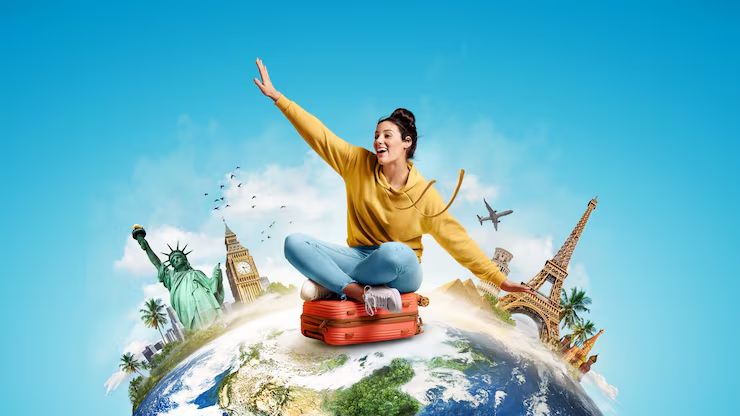
Travel photography is the art of documenting experiences from different locations around the world. It combines elements of landscape, portrait, street, and documentary photography into one creative practice.
The goal is not just to show where you have been, but to capture how it felt to be there. A great travel photograph evokes emotion, whether it is the calm of a sunrise over mountains or the energy of a busy city street.
Storytelling is the heart of travel photography. Instead of taking random shots, photographers often focus on creating a visual narrative. This could include local people, cultural traditions, architecture, food, and natural scenery.
Light plays a major role in shaping the mood of travel photos. Early morning and late afternoon light, often called golden hour, creates warm and soft tones that enhance landscapes and portraits beautifully.
Choosing the Right Gear for Travel Photography
Having the right equipment can significantly improve your travel photography experience, but it is not about carrying the most expensive gear. It is about choosing tools that are practical and suitable for your journey.
A good camera is important, but modern smartphones are also capable of producing high-quality images. Many travelers prefer lightweight mirrorless cameras because they offer a balance between quality and portability.
Lenses also matter. A wide-angle lens is ideal for landscapes and architecture, while a zoom lens helps capture distant subjects without disturbing the scene. A prime lens is great for portraits and low-light conditions.
Tripods are useful for long exposures, night photography, and stable shots. However, lightweight and travel-friendly tripods are recommended to avoid carrying extra weight.
Extra batteries and memory cards are essential because travel photography often involves long hours of shooting in remote locations where charging options may be limited.
Composition Techniques for Better Travel Photos
Composition is one of the most important aspects of travel photography. It determines how elements are arranged within the frame and how visually appealing the image becomes.
The rule of thirds is a widely used technique where the frame is divided into a grid, and the subject is placed along these lines or intersections. This creates balance and draws attention naturally.
Leading lines, such as roads, rivers, or pathways, help guide the viewer’s eye toward the main subject. This adds depth and perspective to the image.
Framing is another useful technique. Natural elements like windows, arches, or trees can be used to frame the subject, making the photo more engaging.
Including people in travel photos adds a sense of scale and emotion. It helps viewers connect with the environment on a deeper level.
Symmetry and patterns are also powerful tools in travel photography. Buildings, streets, and natural formations often provide visually satisfying compositions when captured correctly.
Capturing Culture, Moments, and Authentic Experiences
One of the most rewarding aspects of travel photography is capturing real-life moments and cultural experiences. These images often become the most memorable and meaningful.
Photographing local people can bring authenticity to your travel story. However, it is important to be respectful and ask for permission when necessary. A friendly interaction often leads to more natural and expressive portraits.
Street photography is another powerful way to document daily life. Markets, festivals, and public spaces offer endless opportunities to capture genuine human emotions and activities.
Food photography is also a key part of travel storytelling. Local dishes reflect culture and tradition, and capturing them adds richness to your travel collection.
Patience is essential in travel photography. Sometimes the best shots happen when you wait for the right moment, lighting, or expression. Observing your surroundings carefully can lead to unique and unexpected opportunities.
Post-processing also plays a role in enhancing travel photos. Editing tools can adjust lighting, color balance, and sharpness while maintaining the natural feel of the image. However, over-editing should be avoided to preserve authenticity.
Travel photography is about exploration, observation, and storytelling. With the right techniques and mindset, every journey can be transformed into a powerful visual story that lasts a lifetime.