
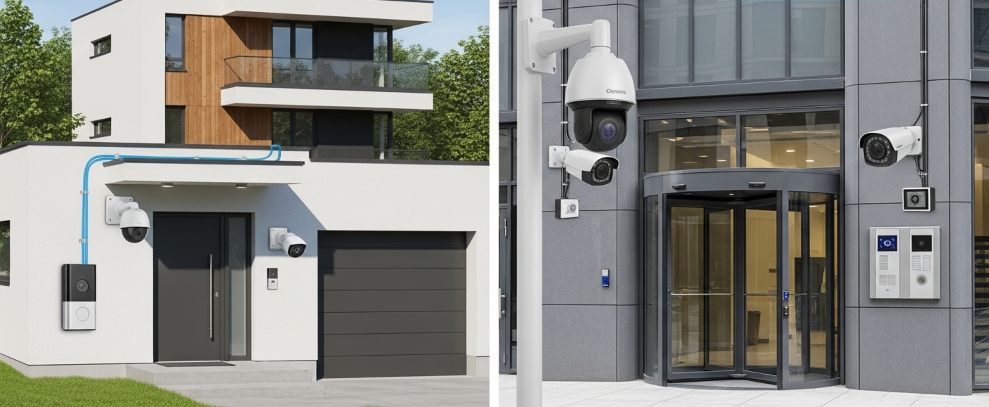
Home security has become a top priority for homeowners around the world as concerns about burglary, theft, and unauthorized access continue to rise. With advancements in technology, modern home security installation is no longer limited to basic locks and alarms. Today, it includes smart surveillance systems, motion detectors, mobile app monitoring, and fully integrated security ecosystems designed to protect homes 24/7.
Importance of Home Security in Modern Living
Home security installation plays a crucial role in protecting not only property but also the people living inside it. A secure home provides peace of mind, reduces stress, and creates a safer environment for families.
In many urban and suburban areas, security risks have increased due to population growth and higher mobility. This makes it essential for homeowners to invest in reliable protection systems. A well-installed security setup acts as a strong deterrent against intruders, significantly reducing the chances of break-ins.
Beyond crime prevention, home security systems also provide safety from emergencies such as fire, gas leaks, or unexpected environmental hazards. Modern systems are designed to alert homeowners immediately, allowing quick action that can save lives and property.
Key Components of a Home Security System
A complete home security installation typically includes several interconnected components that work together to protect the property.
CCTV cameras are one of the most common elements. These cameras provide real-time surveillance and recorded footage, helping homeowners monitor activities inside and outside the house. High-definition and night vision cameras improve visibility in all conditions.
Motion sensors are another essential part. They detect unusual movement in restricted areas and trigger alerts or alarms. These sensors are often placed near doors, windows, and hallways to ensure full coverage.
Alarm systems act as the first line of defense. When triggered, they produce loud sounds to scare off intruders and alert neighbors. Some advanced systems are directly connected to security companies for immediate response.
Smart locks and access control systems have also become popular. These allow homeowners to lock and unlock doors remotely using smartphones or biometric authentication such as fingerprints or facial recognition.
Together, these components create a layered security system that significantly enhances home protection.
Smart Technology and Remote Monitoring
One of the biggest advancements in home security installation is the integration of smart technology. Modern systems can now be controlled and monitored remotely through mobile applications.
Homeowners can view live camera feeds, receive instant alerts, and control security devices from anywhere in the world. This level of convenience has made smart security systems highly popular.
Artificial intelligence is also being used to improve accuracy. AI-powered cameras can distinguish between humans, animals, and objects, reducing false alarms. Some systems can even recognize familiar faces and notify homeowners of unknown visitors.
Cloud storage has replaced traditional recording devices in many systems. This allows footage to be securely stored online, making it accessible even if physical devices are damaged or stolen.
Voice assistants like smart home hubs further enhance convenience by allowing users to control security systems using voice commands.
Installation Process and Best Practices
Proper installation is critical to ensuring that a home security system works effectively. The process usually begins with a detailed assessment of the property to identify vulnerable areas such as entry points, blind spots, and outdoor spaces.
Strategic placement of cameras and sensors is essential. Cameras should cover all main entrances, driveways, and common areas without leaving blind spots. Motion sensors should be installed at key access points to ensure maximum coverage.
Wiring and connectivity must be carefully planned. While some systems use wired connections for stability, many modern setups rely on wireless technology for easier installation and flexibility.
Testing is another important step. After installation, all devices should be tested to ensure proper functioning. This includes checking camera angles, alarm sensitivity, and mobile connectivity.
Regular maintenance is also necessary. Updating software, checking batteries, and cleaning cameras help maintain system efficiency over time.
Future Trends in Home Security Systems
The future of home security installation is becoming increasingly intelligent and automated. Smart homes are evolving into fully integrated ecosystems where security systems communicate with lighting, appliances, and environmental controls.
Artificial intelligence will continue to play a major role in predictive security. Instead of just reacting to threats, future systems may be able to predict suspicious behavior before incidents occur.
Biometric security will become more advanced, with facial recognition and voice authentication becoming standard features in most homes. This will reduce the need for traditional keys and passwords.
Drones and robotic security devices are also emerging trends. These can patrol properties automatically and provide real-time surveillance from different angles.
As technology continues to evolve, home security will become more seamless, efficient, and accessible. The focus will shift from basic protection to intelligent, proactive safety systems.
Home security installation is no longer a luxury—it is a necessity in modern living. With the right system in place, homeowners can enjoy greater safety, convenience, and peace of mind in an increasingly uncertain world.