
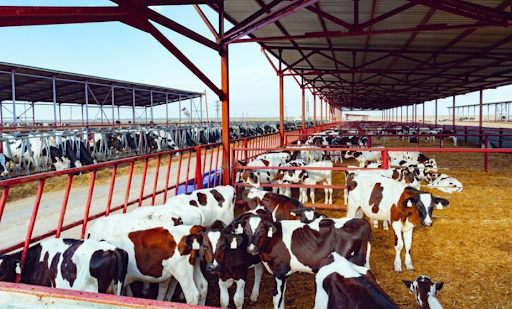
India has a long history of cattle rearing, and indigenous cow breeds are an important part of its rural economy, culture, and agriculture. These native breeds are known for their adaptability, disease resistance, and high-quality milk. However, with the rise of commercial dairy farming and crossbreeding practices, many indigenous cow breeds are now at risk. In this situation, a gaushala plays a vital role in protecting and preserving these valuable animals. Gaushalas act as shelters, care centers, and conservation hubs for cows that need protection and proper care.
Role of Gaushalas in Conservation of Indigenous Breeds
A gaushala serves as a safe shelter where indigenous cows are protected from neglect, slaughter, or abandonment. Many native breeds that are no longer economically profitable for commercial dairy farms often end up without proper care. Gaushalas step in to provide them food, shelter, and medical attention.
Beyond basic care, gaushalas also help in preserving pure indigenous breeds by maintaining controlled breeding practices. This ensures that the genetic purity of native cows such as Gir, Sahiwal, and Tharparkar is not lost due to uncontrolled crossbreeding. In this way, gaushalas act as living conservation centers that safeguard biodiversity in cattle species.
Support for Animal Health and Sustainable Care
One of the key contributions of a gaushala is maintaining the health and well-being of indigenous cows. Many native breeds are hardy, but they still require proper nutrition and healthcare to survive and reproduce effectively. Gaushalas provide balanced feeding systems, clean water, and regular veterinary care to ensure that cows remain healthy.
In addition, gaushalas often use traditional and natural methods of care, which align well with the natural resilience of indigenous breeds. This approach reduces dependency on chemical-based treatments and supports long-term animal health. As a result, gaushalas help in increasing the survival rate and productivity of native cow populations.
Promotion of Indigenous Breed Awareness
A gaushala also plays an educational role in society. Many people are not fully aware of the importance of indigenous cow breeds and their benefits compared to hybrid varieties. Gaushalas help spread awareness by demonstrating the value of native cows in agriculture, organic farming, and sustainable living.
Visitors, farmers, and students often learn about the unique qualities of indigenous breeds through gaushalas. This awareness encourages more people to support conservation efforts and adopt practices that protect native cattle. In this way, gaushalas act as centers of learning as well as animal care.
Contribution to Rural Economy and Agriculture
Indigenous cows protected in gaushalas also contribute indirectly to rural development. Their dung and urine are often used in organic farming practices, helping farmers reduce chemical usage and improve soil health. Many gaushalas promote the use of these natural resources, supporting eco-friendly agriculture.
Furthermore, gaushalas create employment opportunities in rural areas by involving local communities in cattle care, fodder production, and maintenance activities. This strengthens the rural economy while also ensuring that indigenous cow breeds are continuously protected and valued.
One of the key contributions of a gaushala is maintaining the health and well-being of indigenous cows. Many native breeds are hardy, but they still require proper nutrition and healthcare to survive and reproduce effectively. Gaushalas provide balanced feeding systems, clean water, and regular veterinary care to ensure that cows remain healthy.
Conclusion
In conclusion, gaushalas play a crucial role in protecting indigenous cow breeds by providing shelter, care, and conservation support. They help maintain genetic purity, improve animal health, spread awareness, and contribute to sustainable agriculture and rural development. As modern farming continues to evolve, the importance of gaushalas becomes even greater in ensuring that indigenous cow breeds are preserved for future generations.